
Property Management & Law
1)Objectives of Property Management –
- To attain the highest possible net return for the property owner.
- To protect his capital investment at all times.
2) Specialized Fields
(Apartment complex, Retails, Office buildings, Hotels, Shopping centers,Industrial parks, Theaters, Restaurants, Hospitals, etc)
- Qualifying and investigating tenant’s credit.
- Marketing the space and collecting rents.
- Establishing and maintaining trust account for rental income and security deposits.
- Purchasing supplies and auditing and paying bills.
- Hiring, training and supervising employees.
- Inspecting vacant space frequently.
- Arrange and paying for adequate insurance coverage.
- Scrutinizing taxes and assessments.
- Analyzing depreciation deductions.
- Developing tenant relationship policies.
- Maintaining proper records and making periodic reports to the owner.
- Preparing and executing leases.
- Advertising vacancies though selected media.
- Planning and supervising alteration and modernization programs.
- Having knowledge of health, building code and safety standards.
- Providing adequate security to safeguard tenants.
- Preparing an annual budget.
3)Property Management Agreement
- A legal description of the property.
- Agreement period to exit.
- A definition of the responsibilities of the manager.
- The authority of the manager.
- The reporting requirements. ( both frequency and detail)
- Compensation of the manager.
- A limit on how much the manager can spend without expressed authorityexcept in a case of emergency.
4) Management Fee – Usually 5 – 10% of gross collectible rent. – Direct employee expenses, such as salaries for super, maintenance supervisors are charged directly to the owner.
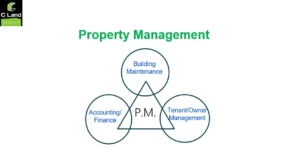
5)Operating Responsibilities of a Property Manager
- Management Plan
- Budget Preparation
- Leasing Space
- Rent Collection
- Recording-Keeping
- Maintenance
- Handling Tenant Requests
- Communicating with the Owner
5)Financial Responsibilities of a Property Manager
- Income and Expenses Report
- Periodic Profit and Loss(P/L) Statement
- Cash Flow
6) Licensing Requirements –
- In NJ, salesperson licensee cannot engage in property management agreement and perform property management for a fee with a client without a supervising broker’s involvement.
- If a legal case is involved, E&O insurance company may deny the coverage for the salesperson.
- A salesperson may engage in these activities only when working under the supervision of a licensed broker. ( NJSA 45:15-3)
7)Federal Laws Affecting Property Management
- Environmental Protection ( EPA)
- The Federal Fair Housing Law
- The Internal Revenue Code (IRS)
- The Occupational Safety Health Act ( OSHA)
Takeaways:
- In recent years, the field has grown rapidly due to the increase of housing laws and regulations at all levels, and the development of new forms of multi-family ownership, including condos and coops.
- This field requires a certain skills and accountability including legal obligations.
- Salesperson licensee’s independent performance for a fee without supervising brokerage is the violation of licensing laws and regulations and lead to liability and risk, including no coverage for E&O insurance.



Join The Discussion